
Show summary Hide summary
Salads That Satisfy: Protein, Fats, and Carbs
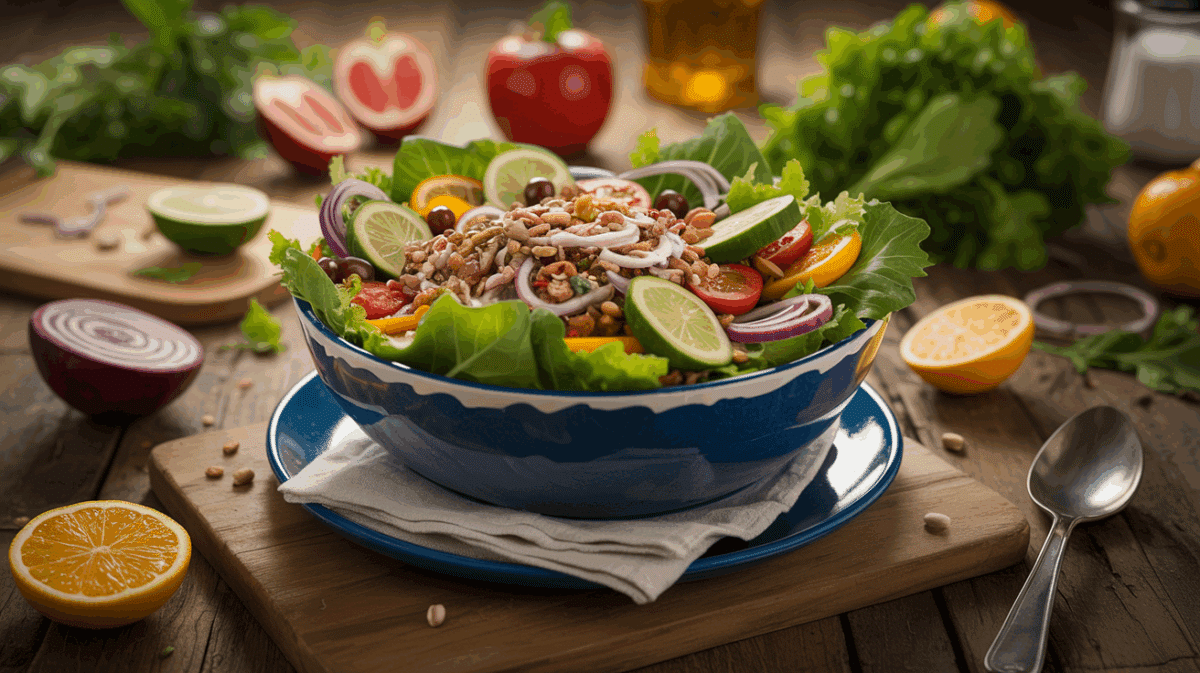
Salads can become satisfying meals when prepared with care, rather than just being side dishes. By thoughtfully combining proteins, healthy fats, and carbohydrates, salads can deliver a balanced and nourishing experience that delights the palate. The key lies in understanding how to blend these essential elements to create a harmonious and nutritious dish. Adding meats, nuts, seeds, avocados, grains, and vegetables turns salads into fulfilling meals. Let’s craft salads that nourish and satisfy, making each bite delightful.
and Choosing the right proteins salads that satisfy (protein fats carbs)
Proteins form the foundation of any satisfying salad, offering satiety and essential nutrients that are crucial for a balanced meal. Grilled chicken, tofu, or legumes add lean protein, making salads nutritious and tasty. Chicken breast or turkey slices introduce flavorful yet low-fat protein options, perfect for those seeking a lighter meal. Vegetarians and vegans can choose fiber-rich chickpeas or lentils for plant-based protein. These choices provide essential nutrients and cater to diverse dietary needs. By thoughtfully incorporating these protein sources, your salad becomes a complete meal, supporting sustained energy levels throughout the day.
À lireUnlock the secret diet hacks men are using to transform their health!
À lireBeat the silent killer: revolutionary hacks to tackle hypertension now!
By adding a variety of proteins, salads can transform from ordinary to extraordinary. For seafood lovers, smoked salmon or shrimp can impart a delicate flavor, adding a touch of elegance to your dish. Grilled chicken or turkey offers lean protein for those preferring poultry. Each protein source offers distinct benefits, and alternating between them can enhance the nutritional profile of your meals. As nutritionist John Doe points out, “Incorporating diverse proteins ensures a broad spectrum of amino acids and nutrients. Experimenting with proteins like legumes and tofu diversifies your diet and ensures balanced nutrition. This approach not only elevates the taste of your salads but also contributes to a healthier lifestyle.
Incorporating healthy fats
Fats, once misunderstood and often avoided, are now recognized as a crucial component for crafting a balanced and flavorful salad. They enhance taste and promote satiety, ensuring you feel full after eating. Fats help absorb vitamins A, D, E, and K, crucial for bodily functions. Incorporating healthy fats like avocado, olive oil, and nuts into your salad can significantly elevate its nutritional value. Avocado slices, with their creamy texture, or a drizzle of olive oil, rich in monounsaturated fats, contribute heart-healthy benefits. Nuts, whether almonds, walnuts, or pecans, add a satisfying crunch while providing essential fatty acids. Ingredients enhance salad taste, texture, and support health.
For an added crunch, consider tossing in a handful of walnuts or almonds. Nuts enhance texture and provide brain-beneficial omega-3 fatty acids. While incorporating fats into your diet is essential, it’s crucial to practice moderation. Typically, a tablespoon of olive oil or a quarter of an avocado provides sufficient healthy fats for most salads. Balancing these elements ensures that your meal remains nutritious and well-rounded. Choose ingredients wisely to create a tasty, healthful salad without sacrificing taste.
Balancing carbohydrates
Carbohydrates, often seen as calorie sources, are essential for energy. Whole grains like quinoa, farro, or rice are nutritious additions to salads. Grains provide complex carbs for stable energy without blood sugar spikes. Quinoa, known for its unique nutty flavor, pairs exceptionally well with leafy greens, enhancing the flavor profile of salads. Whole grains enrich your diet and provide sustained energy, crucial for balance.
Fruits like berries or apple slices add natural sweetness, balancing savory elements. When selecting carbohydrates, it’s wise to consider the glycemic index, as this ensures a slow and steady digestion process. This approach stabilizes energy levels and prevents hunger pangs. The true art of culinary creation lies in harmonizing grains and fruits, crafting a symphonic blend that delights the palate. Combine elements thoughtfully to make a nourishing, flavorful meal. Careful pairing elevates dishes, offering a balanced, satisfying culinary experience.
Enhancing with vegetables and dressings
À lireIs your seafood choice destroying the planet? dive into the shocking truth!
À lireVegan vs. vegetarian: which plant-based diet will transform your life?
Vegetables are salad staples providing essential vitamins, minerals, and antioxidants. Leafy greens such as spinach, arugula, and kale make excellent bases, offering a robust foundation of nutrients. Add color and crunch to your salad with vibrant bell peppers, crisp carrots, or refreshing cucumbers. Vegetables add vibrant colors and diverse nutrients, enhancing health. Variety in vegetables ensures meals are both nutritious and tasty. A well-made vegetable salad satisfies as a light lunch or hearty side.
Dressings, often relegated to an afterthought, possess the power to elevate or diminish a salad’s health quotient remarkably. Vinaigrettes crafted with balsamic vinegar or lemon juice impart a delightful zest without burdening the dish with excessive calories. Olive oil, vinegar, and mustard create a flavorful, balanced dressing. Avoid creamy dressings with saturated fats that overpower salad freshness. Herbs and spices add depth and complexity, enhancing flavor while staying nutritious. Choose dressings carefully to make salads healthy and delicious.